Author · 1909–1948
太宰治Dazai Osamu · だざい おさむ
Dazai Osamu (太宰治) was the pen name of Tsushima Shūji, born into a wealthy landowning family in Aomori Prefecture in northern Japan. He studied French literature at Tokyo Imperial University but did not graduate, devoting himself instead to writing. He is best known for the novels The Setting Sun (斜陽) and No Longer Human (人間失格), which draw heavily on his own troubled life. Much of his work is dark and confessional. Keep Running, Melos shows a brighter, more straightforwardly heroic side of his writing. He died by suicide in 1948.
Stories by Dazai Osamu
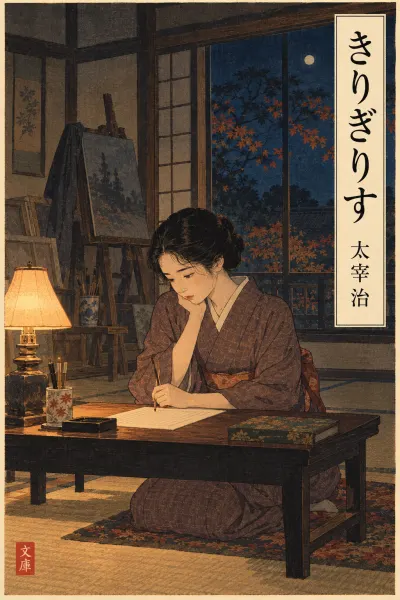
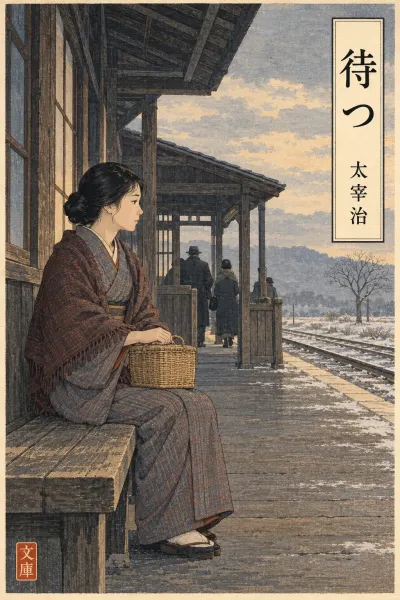
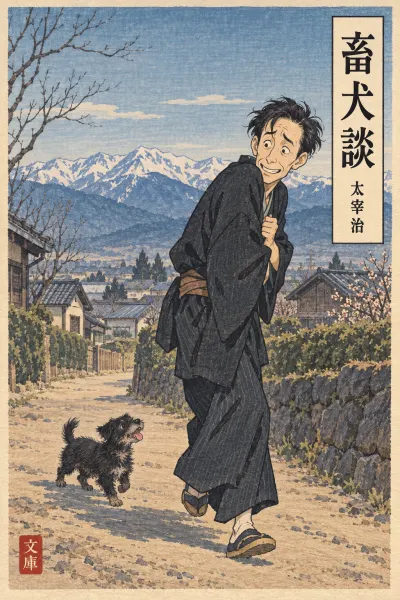
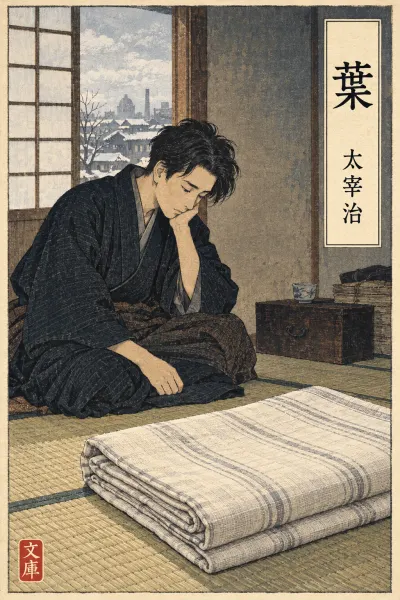
きりぎりす — A Small Cricket
きりぎりす is a short story told entirely in the voice of a twenty-four-year-old wife writing to her painter husband to say she is leaving him. Five years earlier she turned down safer suitors and married an unknown, poor artist because one of…
待つ — Every Day at the Little Station
待つ is a very short first-person monologue by Dazai Osamu. A young woman of twenty describes her daily habit of stopping at a small, unnamed railway station and sitting on a bench to wait. She cannot say whom or what she is waiting for. The…
畜犬談 — My Case Against Dogs
畜犬談 is a comic first-person story told as a mock essay. A self-declared dog-hater explains, at great length and with pretend-scholarly gravity, why dogs are dangerous and contemptible. He lives with his wife in a rented cottage on the edge…
葉 — Leaves, Still Green
葉 is less a single story than a collage: dozens of fragments, some only a line or two long, set side by side without explanation. A man who had meant to die decides to keep living until summer because someone gave him a summer kimono. From…
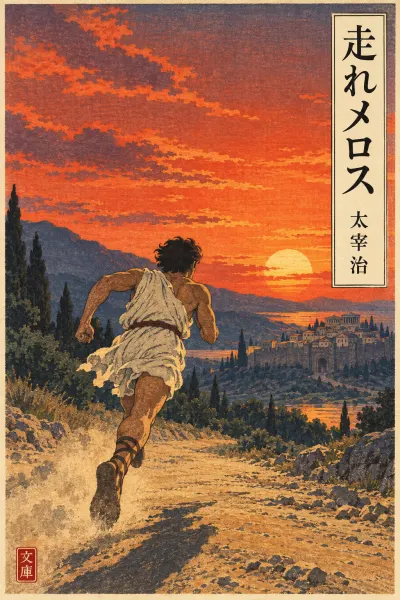
走れメロス — Keep Running, Melos
Keep Running, Melos (走れメロス) is a short heroic tale set in a legendary Greek city. Melos, a plain-spoken shepherd, openly defies Dionis, the tyrant king of Syracuse, who trusts no one. To keep a promise and save a friend's life, he must make…
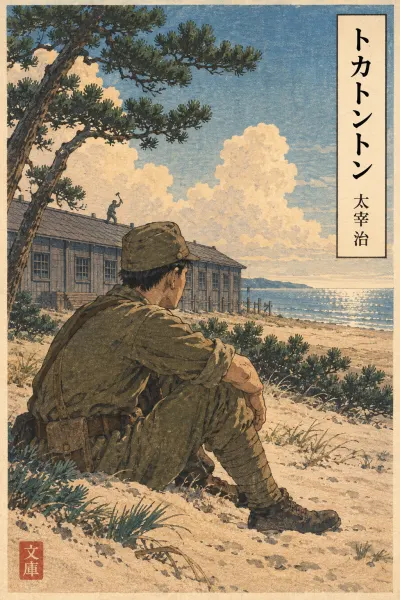
トカトントン — The Distant Hammer
"Tokatonton" is a short story by Dazai Osamu set in the first year after Japan's defeat. Most of it is a long, confessional letter from a twenty-six-year-old post-office clerk in a coastal village near Aomori to a novelist he admires. A…