JLPT N5–N1
Japanese reading practice by level
Every story is rated by measuring its vocabulary, kanji and sentence length against the JLPT lists. The easiest stories are also retold in simpler Japanese for N5 and N4.
At N5 you know hiragana and katakana, around 800 words and the basic sentence patterns: です and ます, the particles は, が, を, に and で, and the past tense. Real literature is still out of reach at this stage, so the N5 shelf holds retellings: each classic story rewritten in short sentences using N5 vocabulary, with the few story-specific words that cannot be avoided (a fox, a lantern, a mountain pass) explained in the notes.
 N5 · easy
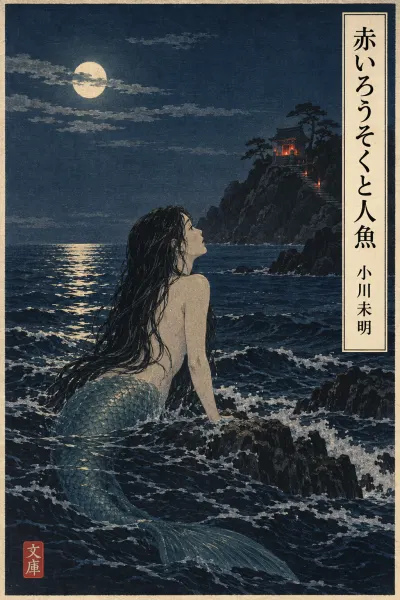
The Mermaid and the Crimson Candles
 N5 · easy
Red Candles on the Shrine Hill
 N5 · easy
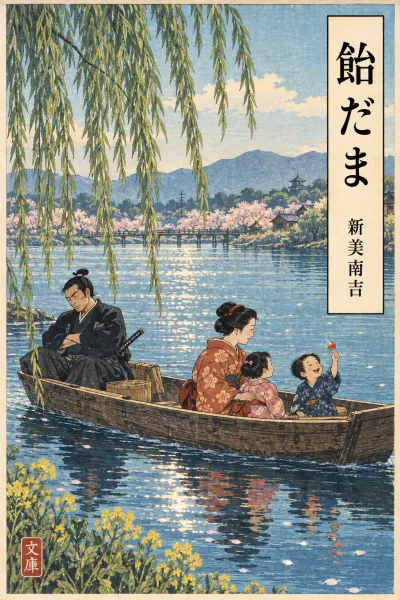
The Samurai and the Last Sweet
 N5 · easy
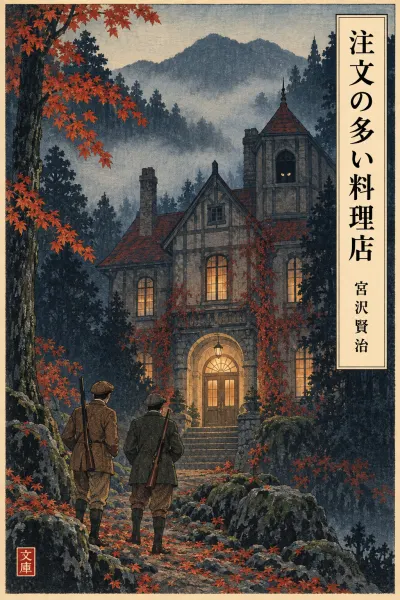
The Restaurant That Asked Too Much
 N5 · easy
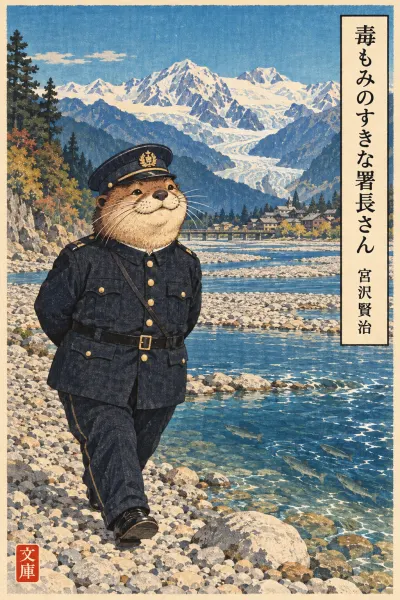
The Police Chief and His Favourite Pastime
 N5 · easy
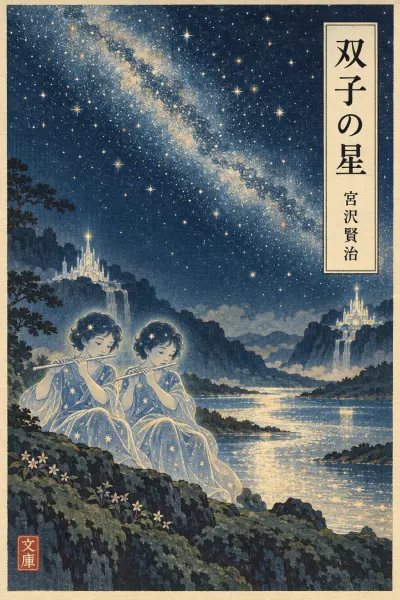
The Star Twins by the Silver River
N4 adds about 700 words and the grammar that makes stories flow: the te-form for connecting actions, ~ている, ~たり~たりする, potential and volitional forms, and simple conditionals. That is enough to follow a narrative if the vocabulary is controlled.
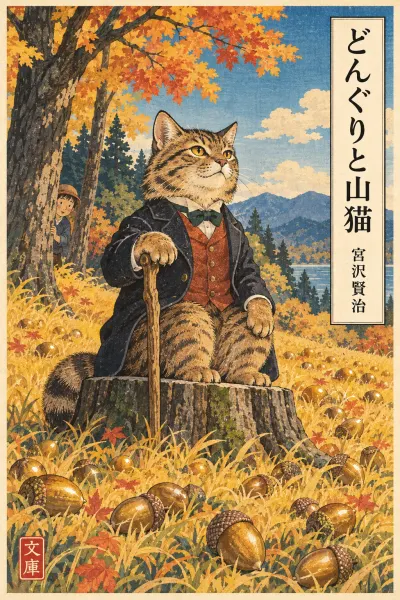
N3 is where real books start to open up. You have the everyday grammar, around 3,700 words and 650 kanji, and you can read original texts written for children — the stories that Japanese readers meet in primary-school textbooks — with some support.
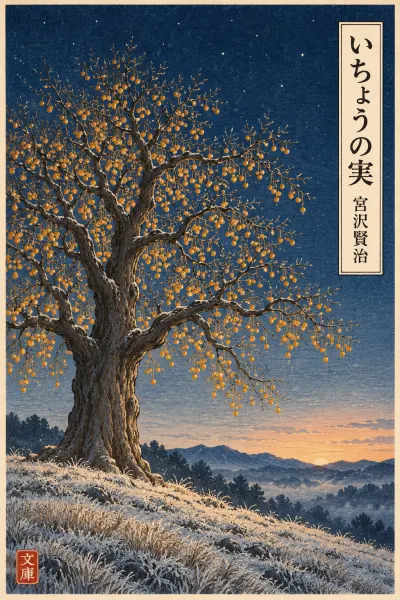
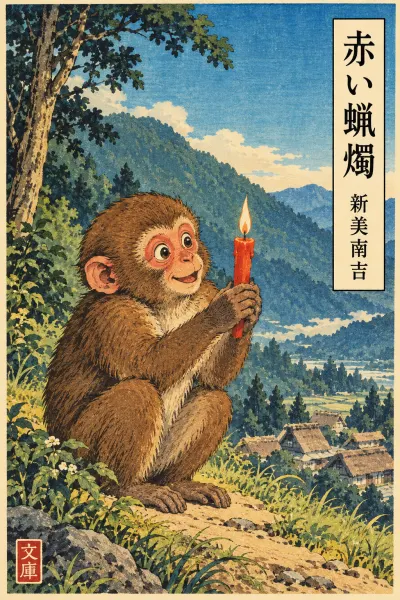
At N2 you are reading the texts Japanese students read in school: the famous short stories of Akutagawa, Miyazawa Kenji and Niimi Nankichi, written between the 1910s and the 1940s. The grammar is within reach; the difficulty lies in literary vocabulary, older expressions and longer sentences with several clauses.
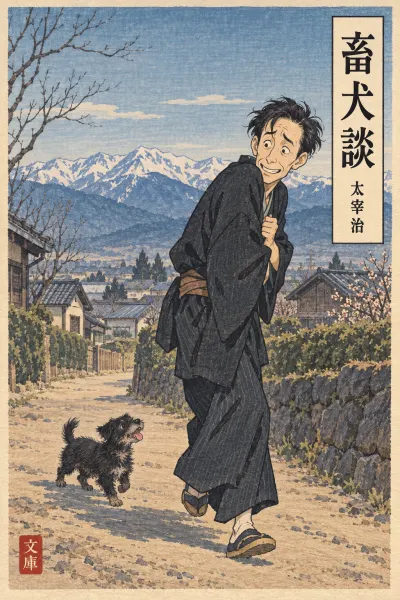
N1 texts are literature for adult readers: dense description, classical allusions, formal narration and vocabulary well beyond any word list. These are the stories that reward slow reading.